
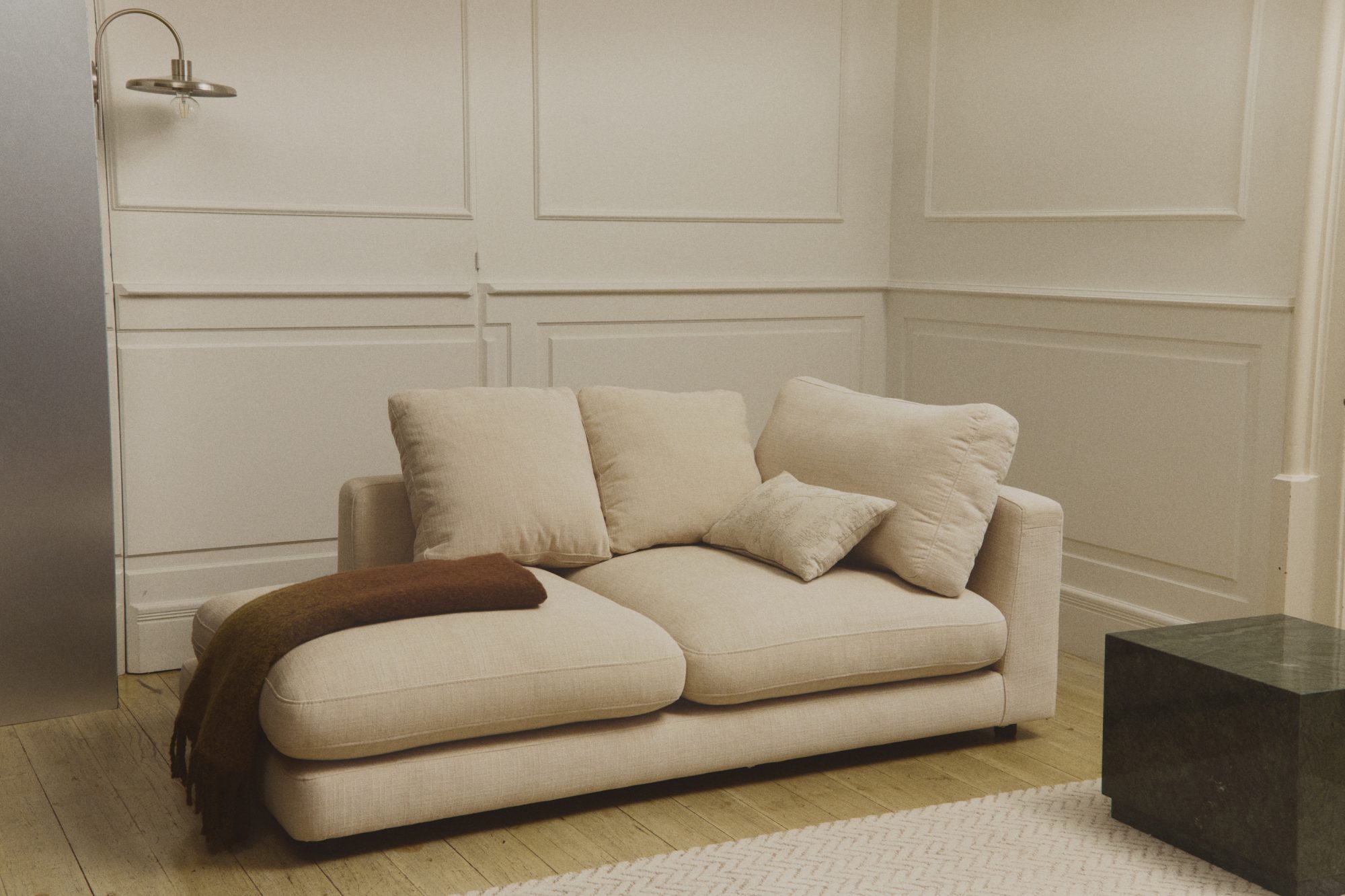

Art Deco architecture carries a strong visual identity. The goal when decorating these homes is not to recreate the past exactly, but to respect the building’s architectural language while adapting it for modern living.
Cities such as Sydney and Melbourne contain some of Australia’s most distinctive Deco apartments and buildings, many constructed between the late 1920s and early 1940s.
Before furnishing the space, look closely at the building itself and its beautiful details. Commonly, these homes feature stepped ceilings and cornices, curved balconies, geometric plasterwork, decorative timber joinery, and patterned parquet floors. Rather than competing with these details, your furniture and design choices should subtly echo and enhance them.
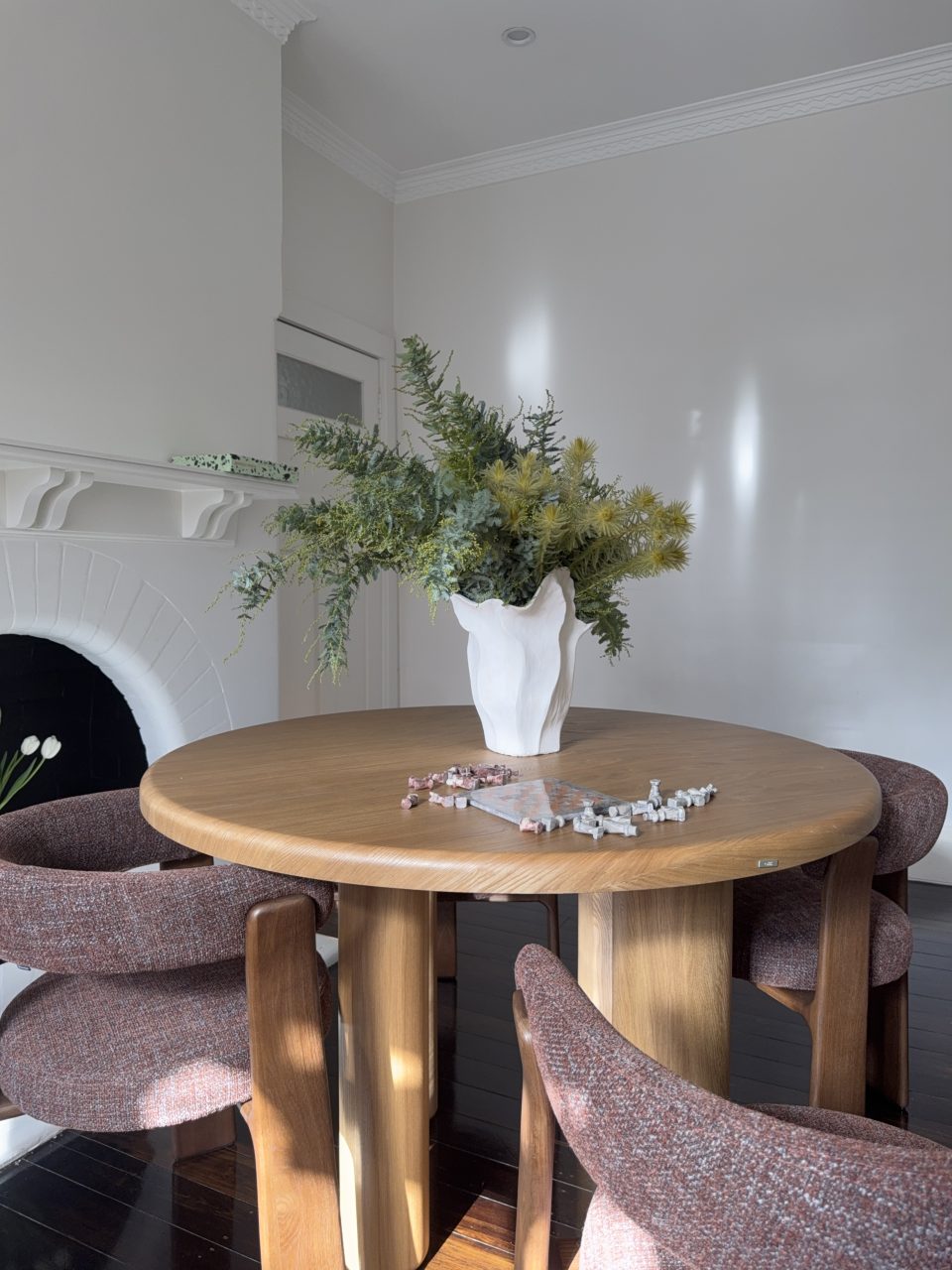
To bring a modern touch, work with geometric shapes rather than overly ornamental styles. This could come in the form of a rounded sofa, fluted side table, or circular mirrors. Material-wise, consider single tones or plain patterns that won’t add too much visual chaos.
Art Deco, mid-century, and neo-deco interior design styles are comparable in their celebration of luxurious materials. Consider our For Every Season collection, which heavily features marble, walnut, velvet, and stainless steel. When layered properly, these materials can work together with the architecture of the space, not compete with it.
In Australia, our interpretation of these styles is also typically softer than in Europe. Depending on your preferences and how much space you’re working with, you may wish to choose lighter, natural tones for your big pieces like sofas and dining tables.
Decorating an Art Deco home is about continuing the story of the building. By respecting its geometry, materials and architectural rhythm, contemporary interiors can sit comfortably alongside nearly a century of design history.