

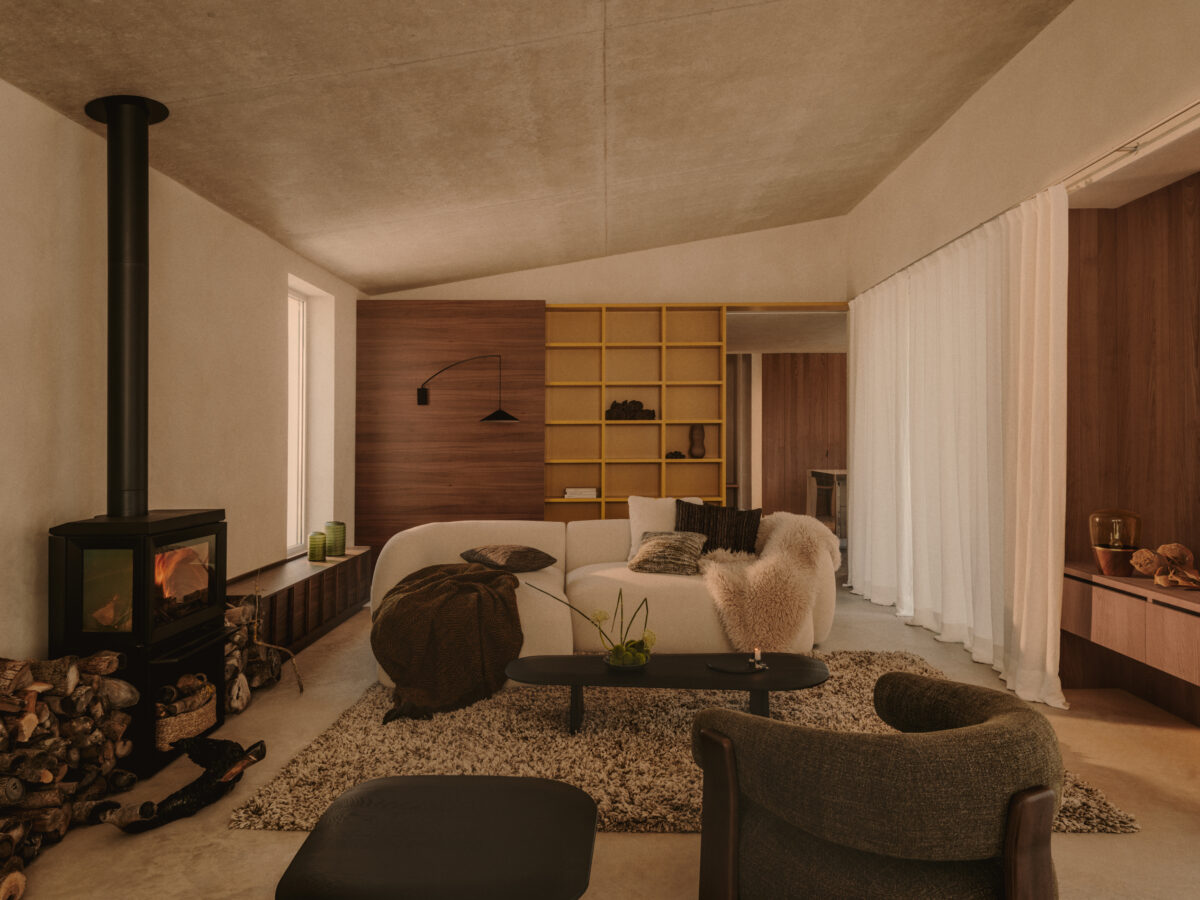
In the context of Japandi style, how do you strike a balance between the simplicity of Scandinavian design and the traditional elegance of Japanese aesthetics in your interior creations?
Japandi is one of my favourite interior design styles. When sourcing furniture to suit this style, I focus on a combination of clean, sleek lines that come from Scandinavian design, combined with organic elements through materiality like timber, ceramic and stone, that are inspired by Japanese design. The combination of sleek and organic or wabi sabi elements is the way to balance these styles.
Can you share insights into the latest materials and textures making waves in interior design?
Timber, concrete, boucle and handmade ceramic are all materials and textures that I’m seeing a lot of this year. Kave Home has even introduced papier mâché vases, which take the handmade element and add a unique twist, which I love. Tactile materials that look and feel organic and handmade are going to continue to be popular throughout furniture and interiors.
What are the key furniture design trends for the upcoming season?
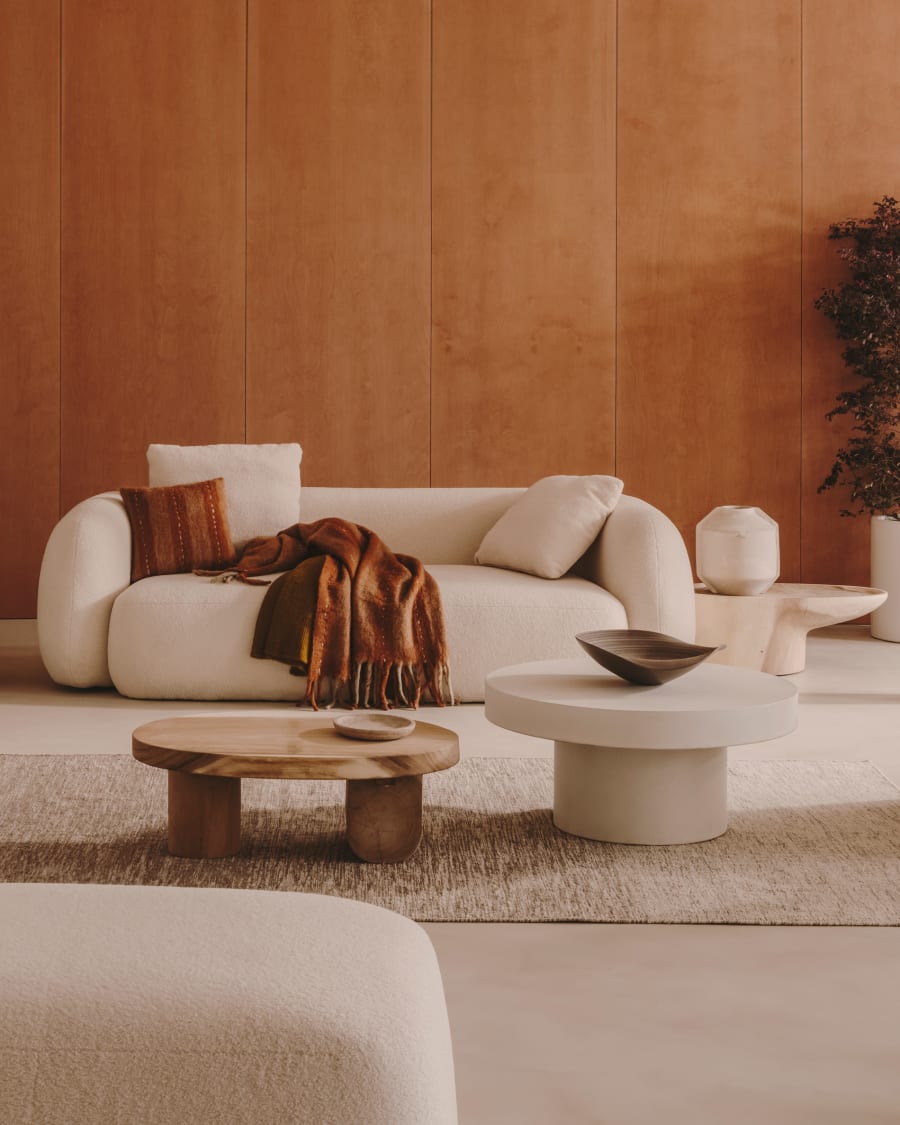
What I’m really excited to see is furniture with new and interesting shapes — sofas with soft curves, tables made out of strong materials like concrete that are contrasted by organic shapes. I’m also excited to see more outdoor furniture options and collections that are made to blend seamlessly indoors, so the line between indoor and outdoor living is blurred, and outdoor furniture pieces are made to look and feel more elevated and comfortable.
How significant is the impact of sustainable and eco-friendly design elements in today’s interior design landscape?
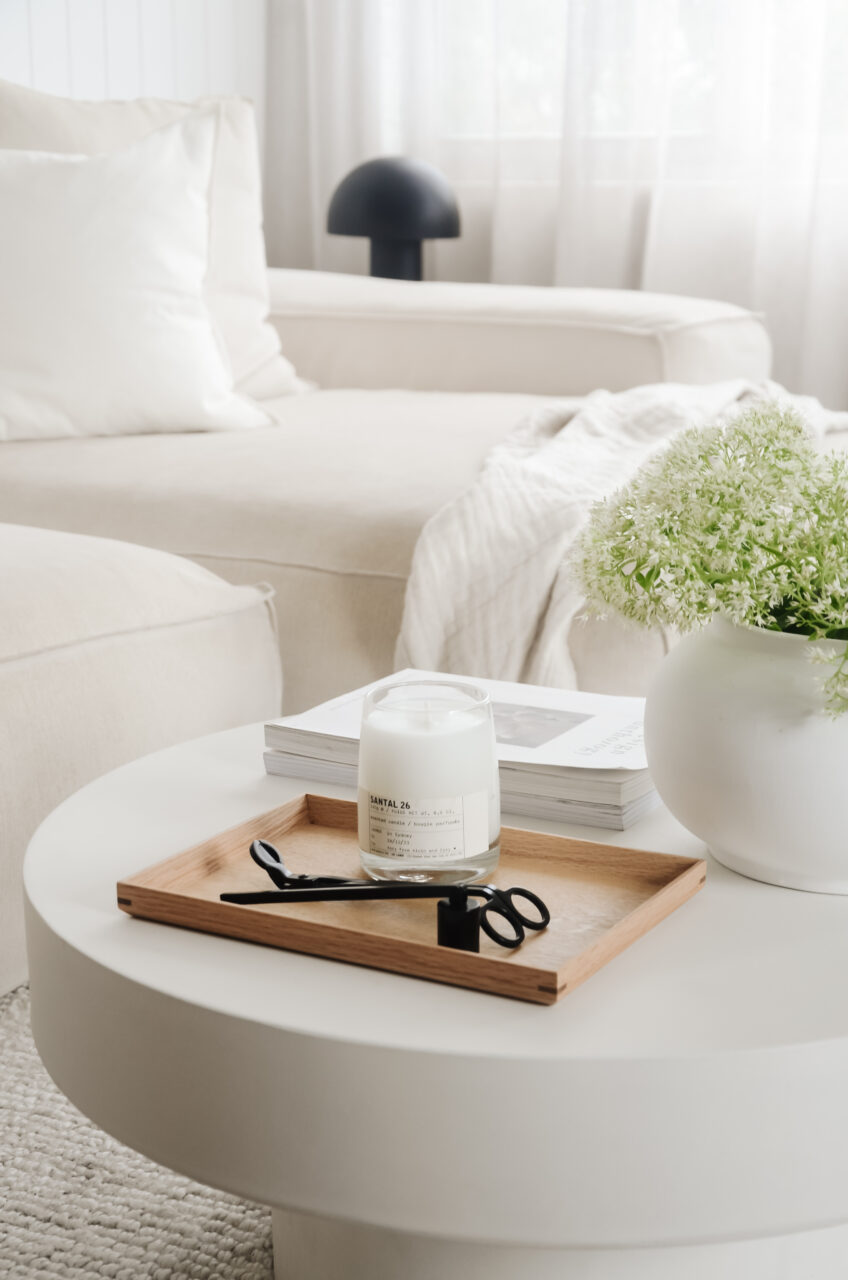
Sustainability is a huge part of interior design, and there has been a lot of recycled materials being used in furniture design recently. For example, the Martina Collection is made of 100% recycled polyester that combines responsibility, comfort, softness and warmth. This adds to the appeal for anyone looking to create an eco-friendly, designer home.
What role do statement pieces play in interior design for you?
A statement piece of furniture is a really great way to create a dynamic space, especially in minimal or neutral homes. By repeating materials, textures and colours throughout a room, you get that balance and elevated look, and by incorporating a statement piece, you can create a visual focal point that adds contrast and a talking point for the room. A statement piece could be
an armchair, artwork, floor lamp or even a decorator piece.
How can a furniture brand incorporate cultural influences into its designs to stay on top of global interior design trends?
I believe all interior design trends originate from cultural influences around the globe — take Japandi as an example, which combines two very different cultures to create a very unique, beloved style. Furniture ideas can be inspired by other cultures by looking at what materials, colours and textures are commonly used to convey mood and style in interior spaces.
How can furniture designs stand the test of time while also reflecting contemporary tastes and preferences?
A focus on high-quality materials, clean lines and a colour palette that features neutral or muted tones is the best way to make sure furniture designs are both contemporary and classic, and don’t fall victim to the cycle of interior design trends.
What should you consider for outdoor living spaces?
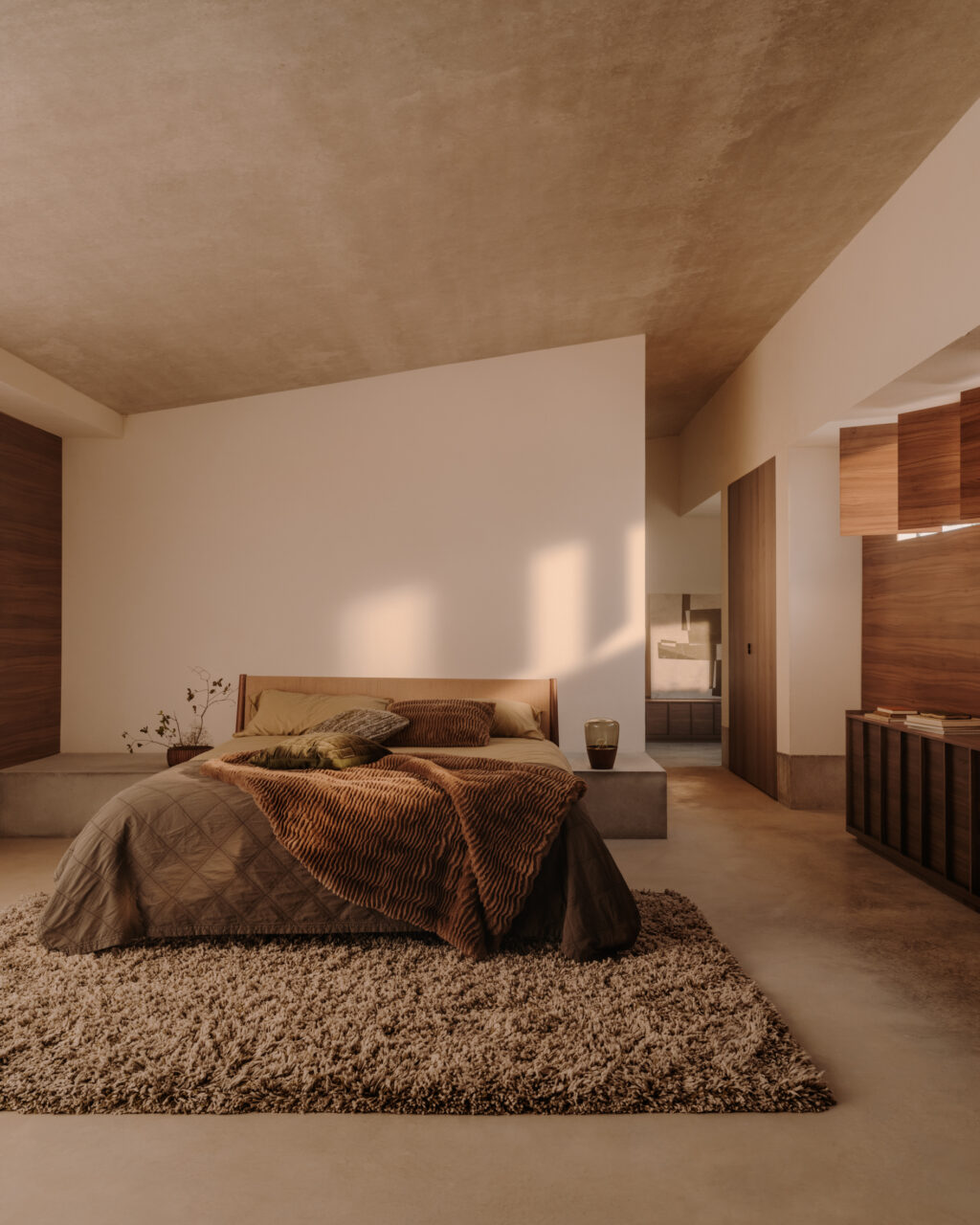
Outdoor furniture, including Kave Home’s outdoor furniture collection, is leaning towards designs that are less utilitarian and more aesthetic, drawing inspiration from indoor furniture so you can continue a consistent style throughout your entire home, including outdoor areas.
When choosing outdoor furniture, make sure the pieces use weather-resistant
materials that don’t compromise on comfort and style, as well as muted colour palettes and modern materials like timber, concrete and powder-coated aluminium.
