
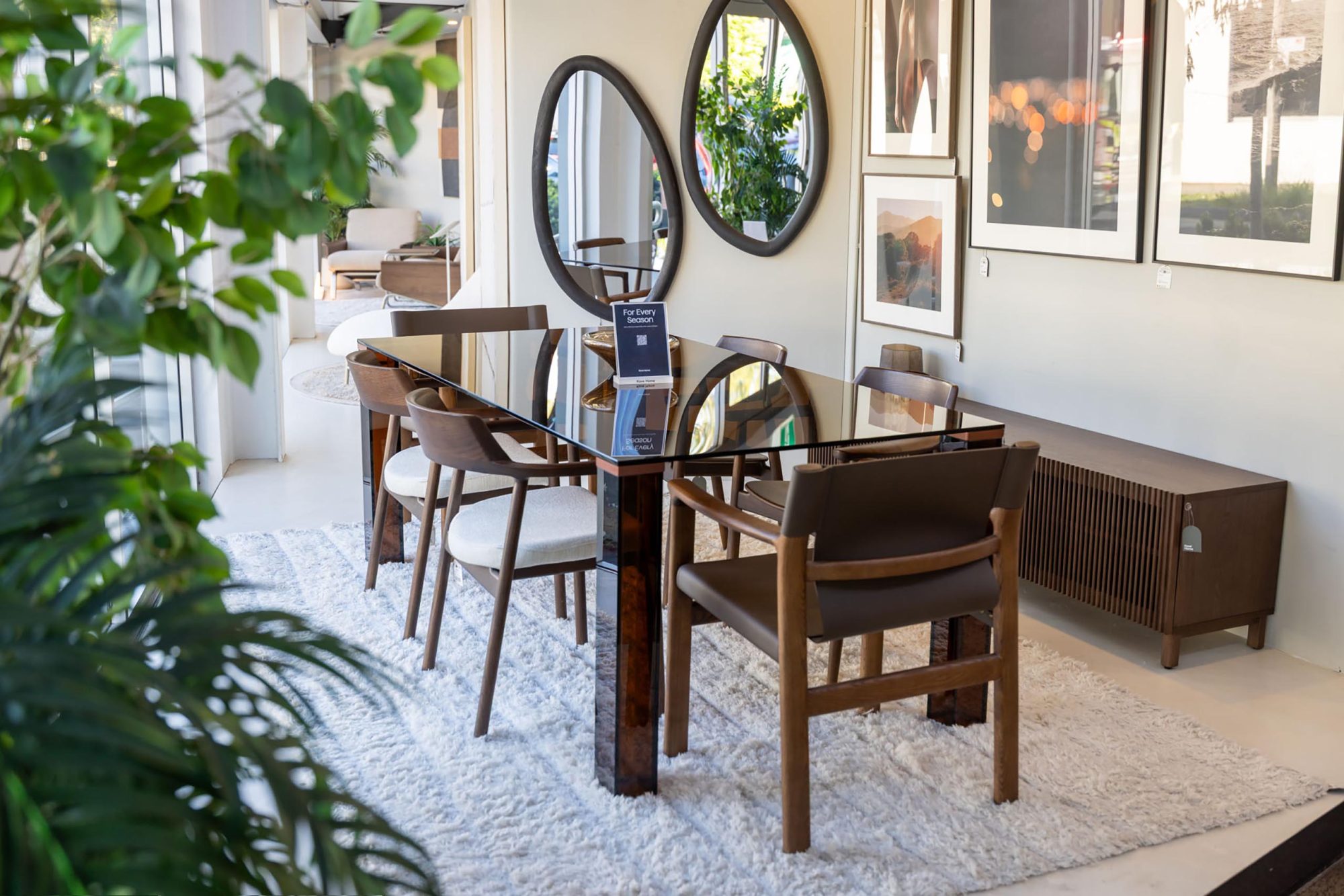

This session brought together industry professionals to explore what’s shaping projects across Australia in 2026, and how to translate inspiration into meaningful outcomes.
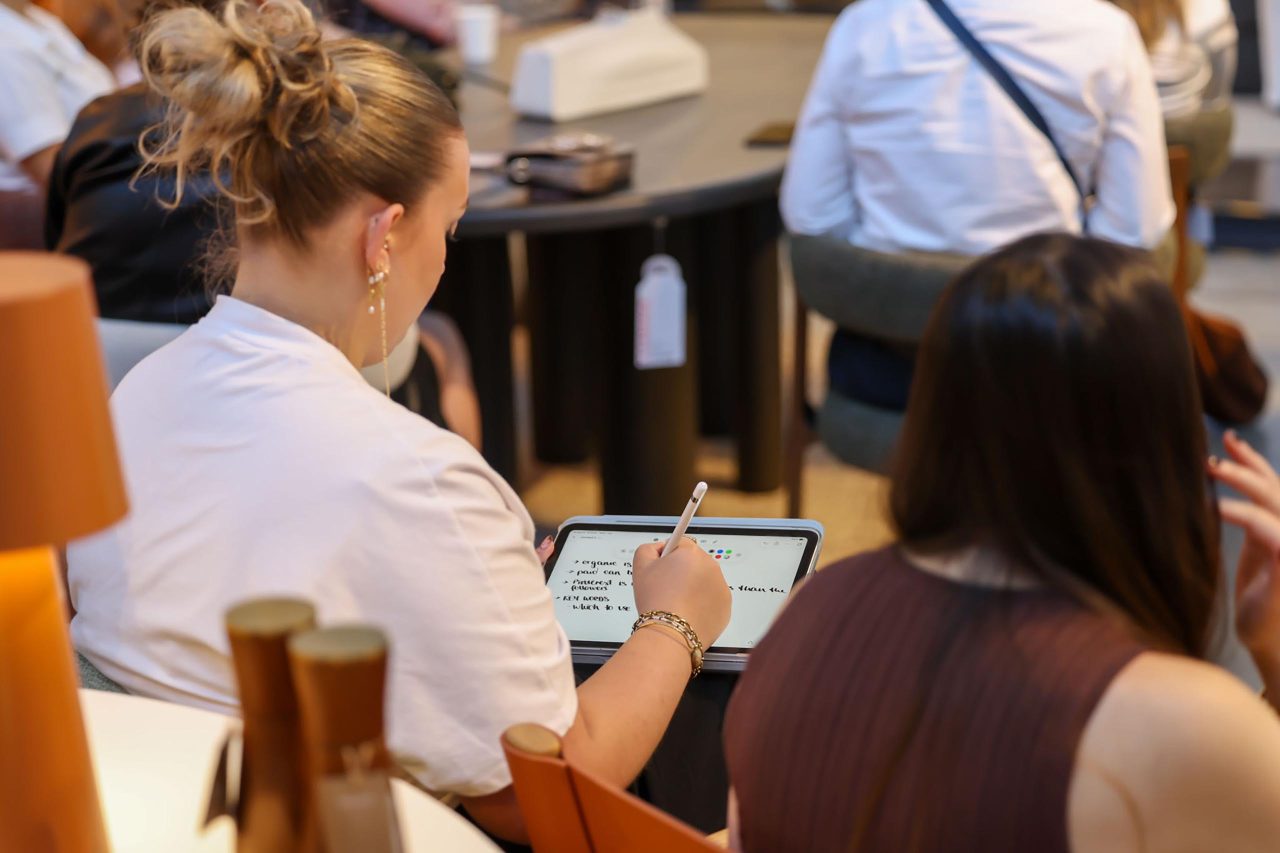
Shifts in taste
More and more, we’re considering how we want spaces to feel.
There’s a clear move away from cooler, minimal palettes toward warmth and layering. Timber tones are becoming richer, upholstery is softer, and there’s a stronger emphasis on texture.
We’re also becoming more confident in our choices. Instead of defaulting to safe neutrals, we’re leaning into depth, whether that’s through tonal colour, material variation, or subtle detailing.
At the same time, furniture is becoming softer and more relaxed, with curved forms and lower profiles replacing sharper, more rigid structures.
There’s a collective move toward spaces that feel more lived-in, tactile, and considered.
More curated, less “catalogue-looking” spaces
In the past, there was a tendency to create interiors where everything felt cohesive in a very obvious way – matching finishes, matching tones, very “complete” rooms.
Now, there’s a stronger preference for spaces that feel curated.
Mixing materials more intentionally. Introducing subtle contrast. Allowing certain pieces to stand out rather than everything competing for attention. More restraint.
Not every corner needs to be filled, and not every surface needs to be styled.
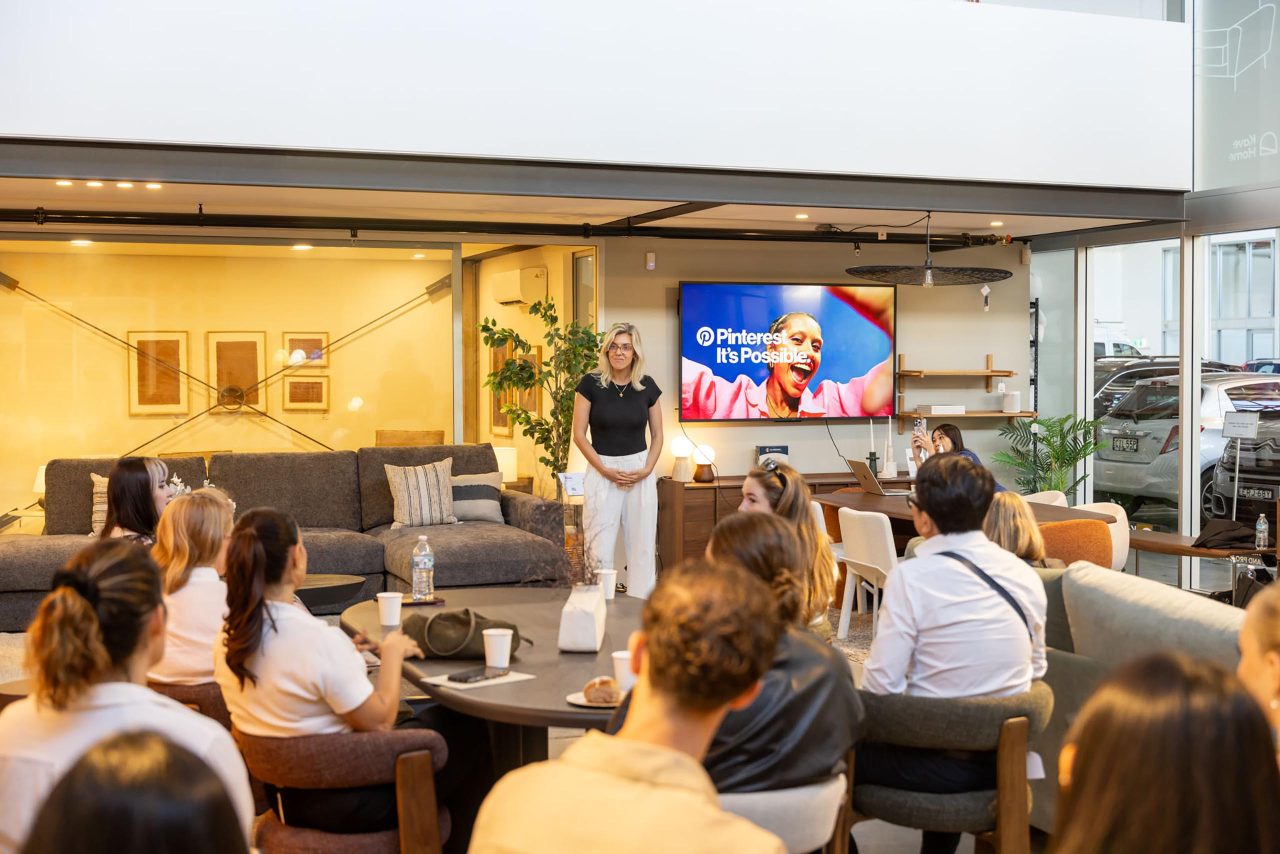
Pinterest is where intent starts, not just inspiration
Pinterest isn’t simply a social platform. It sits at the intersection of search, discovery, and purchase behaviour.
Unlike other platforms where we might passively share or consume content, we arrive on Pinterest with a clear goal: planning, researching, and actively looking to improve our spaces.
The gap between inspiration and reality is where designers add value
Often, Pinterest boards begin with highly aspirational ideas. However, as we move closer to decision-making, our priorities might shift. Comfort becomes more important. Practicality becomes essential. Scale and liveability shape our final choices.
This creates a critical space where designers play a role, not just in creating beautiful concepts, but in translating inspiration into something that works in real life.
The opportunity is not to replicate what’s on Pinterest, but to interpret it.
Search behaviour reveals emerging design trends
Pinterest functions as a visual search engine, meaning trends aren’t just forecasted, they’re visible in real time.
For example, searches for “beige tiles bathroom” have increased significantly, neutral, layered palettes continue to dominate, and home, garden, and DIY remain some of the most active categories.
For design professionals, this means you can see what clients are drawn to before they even articulate it.
Content strategy on Pinterest is fundamentally different
In short, your content is your marketing. Pins aren’t interruptions; they’re part of the discovery process.
To perform well, your content needs to balance visual appeal, context, and relevance.
Pinterest emphasised that:
Content with titles is viewed significantly longer
Keywords play a critical role in discoverability
Boards, tags, and descriptions all contribute to how content is surfaced